
 Learn more about
Cat and Canine Heatstroke
Know the signs. Act quickly.

Quick links for pet parents

As the mercury rises, it's important for pet-parents to be aware of a hidden summer danger – heatstroke! Heatstroke (also known as heat stress) is when your pet's body can't cool down properly, which can lead to dangerous overheating. Feline and canine heatstroke is more common than you might think, especially as the thermometer rises, and the vet waiting rooms fill up with dogs and cats who’ve had a little too much sun.
Heatstroke can creep up on our four-legged friends really fast, and before you know it, things could go from bad to worse. Stay cool and keep an eye out for signs like heavy panting, drooling, or your pet acting a little tired. It’s always better to play it safe and avoid a trip to the vet when the sun’s shining bright!
Understanding heatstroke
What is heatstroke? Heatstroke or hyperthermia is when your pet’s body gets too hot and can’t cool down fast enough, causing damage to their tissues. It's like their internal temperature gets way too high, and their cooling system just can't keep up. Unlike us, who sweat all over to cool off, cats and dogs only have sweat glands in their feet and noses (cats do sweat but only through their paw pads).
On the other hand, dogs rely on panting and finding cool spots to chill, but their thick fur coats can make them even more susceptible to heatstroke. Since they can't beat the heat as easily as we do, it’s up to us to keep them cool, with plenty of shade, fresh water, and a comfy spot to relax.
Heatstroke can sneak up really quick in our pets, and if it’s not treated quickly, it can even become fatal. So, while we might think a mild day is no big deal, pets can still be at risk if they're stuck in an enclosed or poorly ventilated space with no way to get out.
Even when it’s not scorching hot outside, a stuffy room or car can turn into a dangerous trap for your furry friends. Something simple such as closing the blinds can decrease the room temperature
So, stay vigilant, because heatstroke doesn’t wait for a warning!
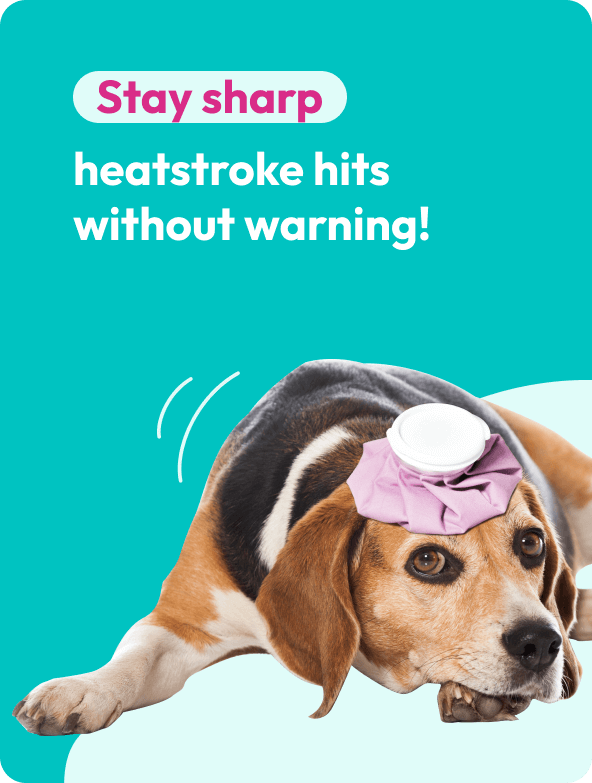
Causes and predisposing factors
To help your furry bestie keep their cool all year-round, it’s all about having the right knowledge and a solid backup plan.
By following these simple guidelines, you and your pet can stay safe and comfortable no matter the season:
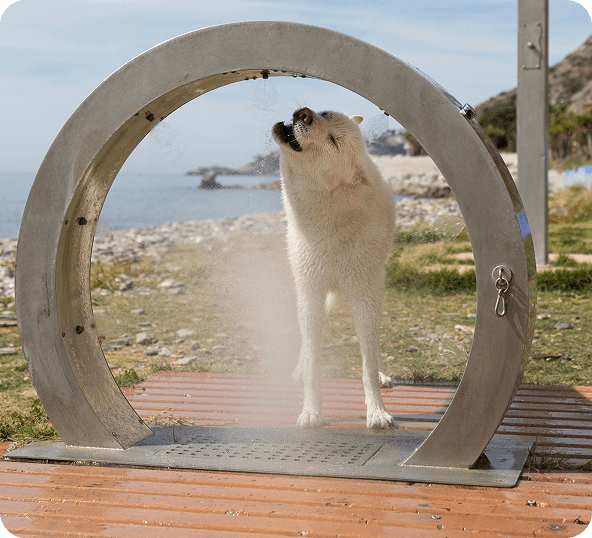
Environmental and lifestyle triggers
Hot and humid conditions can quickly push your pet’s body past its limit, especially if your furry friends don’t have enough shade, ventilation, or water to stay cool throughout the day or night.
High summer temperatures in Australia can be a real danger, and it’s important to remember that leaving pets in cars is never okay – it can even be deadly. Even with the windows cracked, the temperature inside a car can soar quickly, making it unbearable for your pet and can cause them t o overheat. So, always be extra cautious and make sure your pet stays cool and safe indoors during these sizzling Aussie conditions, a nd never leave your fur-bestie in a car or vehicle.
Breed and health risks
Some pets are more at risk for heatstroke than others. Brachycephalic (flat-faced) breeds like Bulldogs and Pugs have a harder time breathing and cooling off, making them extra vulnerable in the heat. Pets with a high body condition score, older animals, and those with thick or long fur coats also face higher risks.
And if your pet has underlying health issues like heart or respiratory problems, they’re even more at risk. So, it’s important to keep an extra close eye on these furry friends when the temperature rises!
Signs and symptoms of heatstoke
Early symptoms in pets include:

- Panting
- Drooling
- Restless pacing
- Bright red tongue or gums
As things progress, you might see:

- Vomiting
- Diarrhea
- Lethargy
- Seizures (especially in extreme heat or humidity)
Get Buddy Pet Insurance
Help protect your best mate with flexible cover. Get a quote now.
The difference in cats vs. dogs
It’s important to keep an eye out for early warning signs of heatstroke. Early symptoms in pets include panting, drooling, restless pacing, and a bright red tongue or gums. As things progress, you might see vomiting, diarrhea, lethargy, staggering – sometimes seizures can occur if the temperature (or humidity) is sweltering. It’s important to keep an eye on your pet the moment you see a shift in their usual behaviour.
Dogs and heatstroke

Dogs are more likely to pant openly when they’re overheated, making it easier to spot the signs of heatstroke. Other symptoms to look for include drooling, excessive pacing, and a red tongue or gums. In advanced stages, dogs may become lethargic, stagger, collapse, or even have seizures.
Cats and heatstroke

Cats on the other hand, cats tend to be more subtle when it comes to heatstroke. Instead of panting, they might hide or become agitated. Their symptoms can be hard to spot, and you may only notice things like heavy breathing, drooling, or lethargy once the situation has already worsened. Always keep an eye on your cat’s behaviour, especially if they’re acting quiet or withdrawn (especially if this is out of character!).
Prevention tips
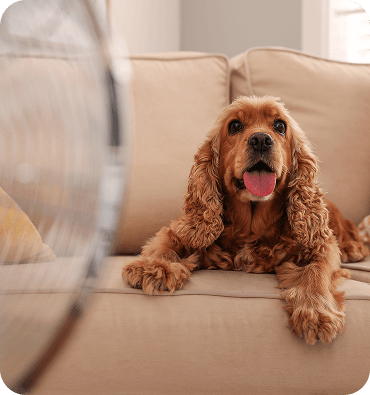
Shade and fresh water ventilation
Make sure your buddy has access to plenty of shade, fresh water, and a nice breeze. And remember, never leave them in a car! Even with the windows cracked, it can turn into a sauna inside, and we all know that’s no fun for anyone. Where possible, leave the air-conditioning or fans on in the house to keep your furry friends cool.
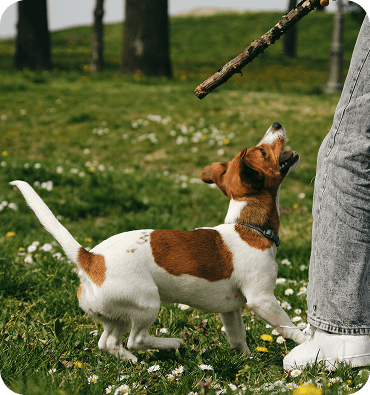
Cool walks and playtime
Plan your walks or playtime during the cooler parts of the day – early mornings or evenings, when the sun’s taking a break. Your pet will thank you for it!
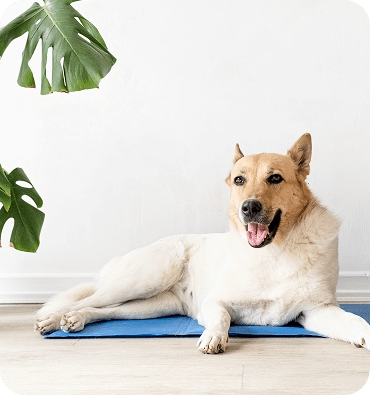
Pet-safe cooling products
Cooling mats, vests, or fans can help your pet chill out when the temperatures rise. They’re like air conditioning for your pet!
Get Buddy Pet Insurance
Help protect your best mate with flexible cover. Get a quote now.
Breed-specific tips

Brachycephalic breeds
Flat-faced breeds like Bulldogs and Pugs can struggle to cool down, so give them some extra tender loving care. Try a cooling vest, or if you can, give them a little trim to keep them cooler!
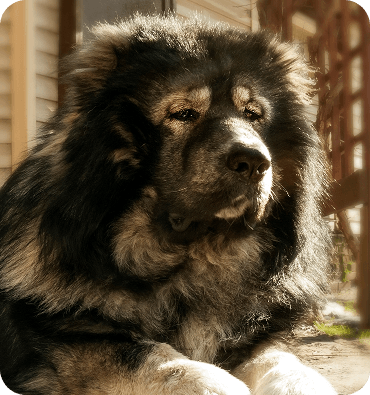
Thick-coated pets
If your pet’s got a thick, luscious coat, a grooming session or a cooling product can help them keep their cool in the heat.
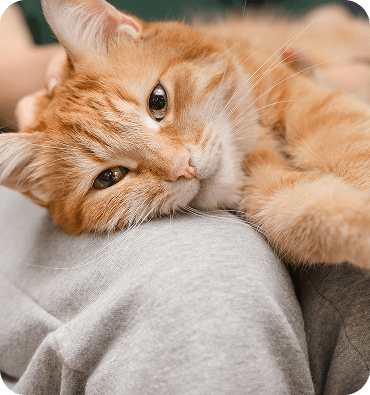
Cats
Cats can be really sneaky when it comes to drinking water. They come from desert ancestors, so they’re not always thirsty. To help them stay hydrated, offer a pet water fountain, add some wet food to their meals, or place a few different water bowls in different spots around the house.
It's important to get creative with hydration, and always make sure they have access to a few different options throughout the day.
By following these tips, you'll keep your pet cool, comfy, and safe – no sweat!
First aid: what to do if you suspect heatstroke
If your fur-bestie is showing signs of heatstroke, it's time to move fast!
Here's what you need to do if you think your dog or cat has heatstroke:

Move your dog or cat into a cool, shaded spot to escape the heat.

Gently apply or spray lukewarm (not ice-cold!) water onto their fur and skin.

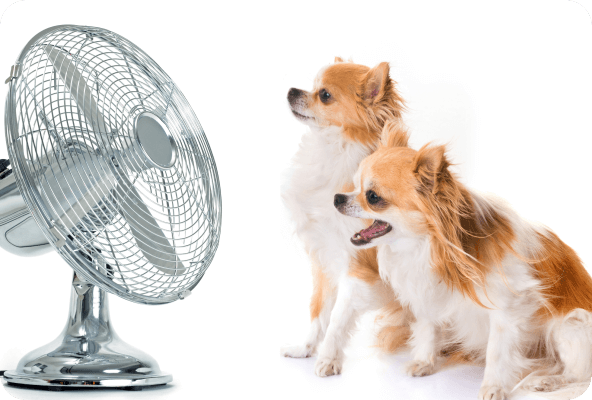
Use a fan to help cool them down faster with a refreshing breeze.

If you can, keep an eye on their body temperature, but don't overdo it!

Don't forget: you should take your furry friend to the vet ASAP, or head straight to your local animal ER!
Avoiding common mistakes
Ice-cold water or ice packs? These are a big no-no if your pets are showing signs of heatstroke. They can cause blood vessels to constrict, making things worse. So, skip the frozen stuff and keep things cool but not frosty for your dog or cat.
Vet visit is critical
Even if your pet seems to bounce back, it’s always the best idea to get them checked out by a vet. Heatstroke can cause internal damage that’s invisible to the naked eye, and a professional evaluation is a must to make sure your pet is on the mend.

Veterinary treatment and recovery
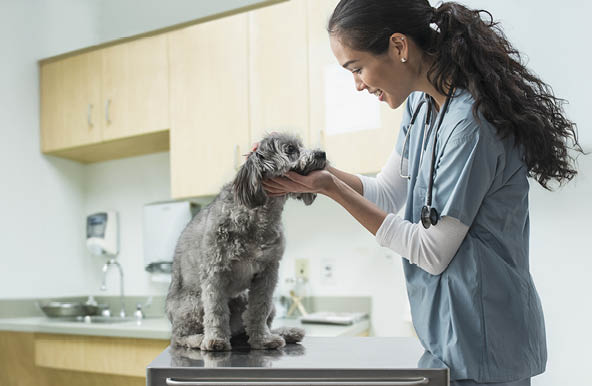
If your pet’s had a close call with heatstroke, the vet’s the best place to be! Once you arrive, your vet will get straight to work with a few critical treatments. This might include IV fluids to rehydrate, oxygen therapy to boost their breathing, cooling enemas to help lower body temperature, and medications to ease their recovery. Blood tests will also be done to check how their organs are holding up, especially the kidneys and liver.
Here are some things to look out for while your pet is on the mend:
The role of pet insurance

Heatstroke can lead to hefty vet bills, including emergency care, ICU stays, and ongoing treatments, which can really put a strain on your wallet. That’s where Buddy Pet Insurance comes in! With the right coverage, you can ease the financial burden and focus on what really matters—your pet’s health and recovery.
Emergencies can happen when we least expect them, so it’s always a good idea to be prepared. Comprehensive pet insurance can give you the peace of mind that you’re covered for unexpected eligible vet bills, so you can worry less about breaking the bank while caring for your four-legged friend.
Heatstroke can happen fast, but with prevention, early detection, and quick action, you can keep your furry friend safe. Don’t wait for summer—make it a habit to protect your pets year-round. Stay vigilant, be proactive, and don’t hesitate to reach out to your vet if in doubt. Your pet's health and happiness are worth every step!
Preparing for emergencies takes a little foresight and a lot of care! While it’s normal for pet owners to focus on the fun parts of pet care, being ready for situations like heatstroke is crucial. With Buddy Pet Insurance , you can rest easy knowing you’re covered if the unexpected happens. We’re here to support you and your pet’s health, giving you peace of mind every step of the way.
Cats vs. dogs: key symptom differences
Dogs and cats show heatstroke symptoms differently, so understanding their unique behaviours in the heat is key. While dogs tend to pant and be more visibly affected, cats can be sneakier, often hiding signs of distress until it's more severe. Here are some points to look out for in both dogs and cats:
Subtlety in cats:
Cats are sneaky when it comes to heat! Unlike dogs, they won’t always pant to show they're struggling. Instead, they might retreat to a quiet corner and hide away. But don’t be fooled! Even indoor cats can get overheated, so be sure to keep an eye on their environment. If you’re cranking up the air conditioning, make sure the room stays cool and well-ventilated.
Activity levels in dogs:
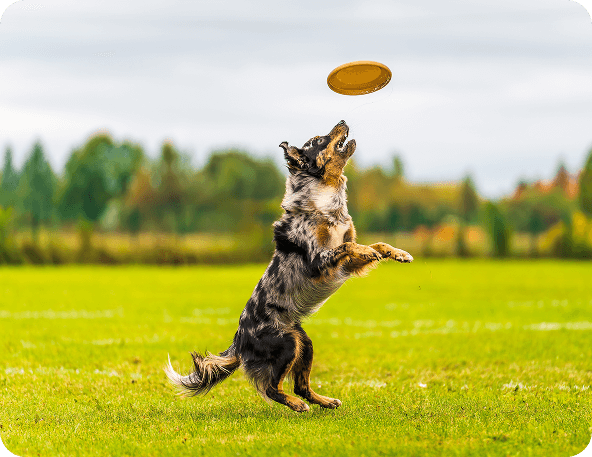
For dogs, fetch is fun, but it can also lead to overexertion, especially on hot days! High-energy breeds like Border Collies or Huskies can overheat quickly when they’re running around. That’s why it’s important to schedule “cool down breaks” during playtime. Take it easy with some water and a shady spot, and your pup will thank you for it!
Get Buddy Pet Insurance
Help protect your best mate with flexible cover. Get a quote now.