
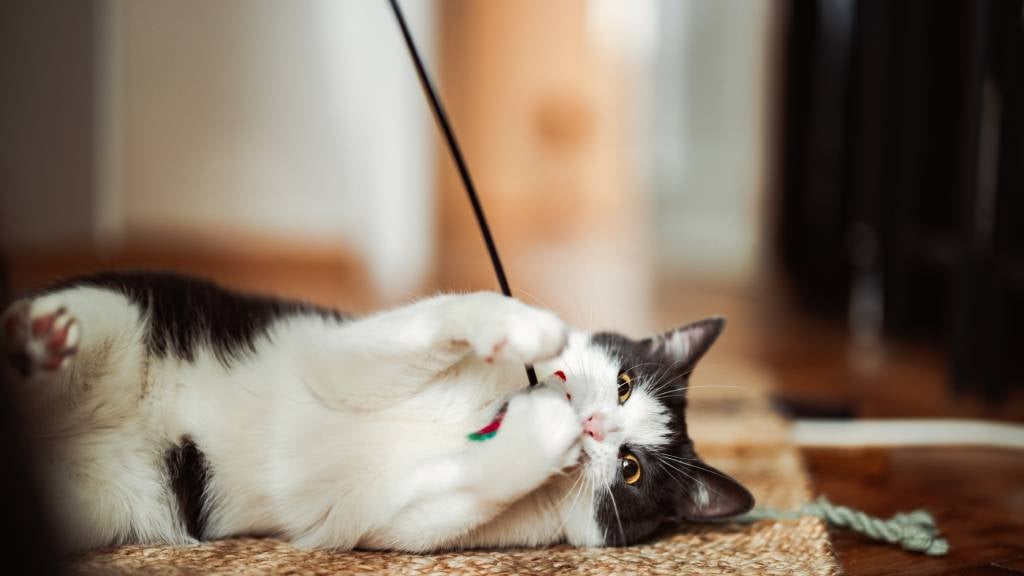
Cats are natural hunters, climbers, and curious explorers, it’s in their DNA to roam, pounce, and investigate every corner of their world. When most of their time is spent indoors, it’s easy for them to slow down, get bored, or put on a little extra weight. Over time, this can affect their health, from stiff joints and digestion issues to heart problems.
The great news? With a few simple changes at home, you can help your indoor cat stay active, entertained, and mentally stimulated – all while keeping them safe and secure. Encouraging play and movement isn’t just about burning calories; it’s about giving your cat a happier, healthier life.
Indoor cats can absolutely live their best lives, they just need a little motivation, some clever enrichment, and a few fun toys.
Why exercise is essential for indoor cats
Exercise isn’t just about keeping your cat at a healthy weight, it’s essential for their overall wellbeing and mental stimulation. Active cats tend to be happier, less stressed, and more curious. They’re also less likely to develop behavioural issues like over-grooming, scratching furniture, or becoming withdrawn.
Keeping your cat moving helps them:
- Stay at a healthy weight and reduce obesity risks
- Strengthen muscles and joints, supporting mobility as they age
- Burn off energy in a positive way, reducing boredom
- Stay mentally stimulated with fun and challenge
Even just 10-15 minutes of interactive play a few times a day can make a big difference in your cat’s health and happiness. Some cats may require more or less playtime, so observe your cat’s energy levels and adjust accordingly.
Keeping your cat contained and safe indoors
Keeping your furry friend safely contained at home is one of the best ways to protect them. It keeps your cat away from dangerous roads, other animals, and potential diseases, while also protecting wildlife.
Some of the risks cats face when allowed to roam freely include:
- Getting lost or hit by cars
- Injuries from fights or rough play with other animals
- Exposure to diseases like Feline Immunodeficiency Virus (FIV) or feline leukemia
- Attacks or harassment from dogs or wildlife
- Eating something harmful, like poisonous plants or toxic foods
- Being bitten by a venomous snake
- Getting trapped or stuck in tricky spots like fences, sheds, or garages
- Stress from encounters with other cats or humans, which can affect behaviour and wellbeing
- Being stolen or abused
- Exposure to extreme weather conditions
But being contained doesn’t mean your cat has to miss out on fun and exercise. With the right environment, they can thrive indoors or in a secure outdoor space (such as a catio), staying fit and mentally engaged.
Health risks of an inactive cat
Just like us, cats who spend too much time on the couch can start to run into health hiccups. Some of the sneaky issues that might pop up include:
- Joint pain or arthritis
- Heart and liver disease
- Diabetes
- Skin issues
- Urinary tract problems
While pet insurance can help cover unexpected vet bills if your cat develops one of these conditions, prevention is always better (and cheaper!). Regular play and exercise are key to avoiding these issues.
Safe outdoor options for contained cats
You don’t have to keep your furry friend indoors 24/7 (unless you want to). Many cat parents create safe outdoor spaces that let their cats explore without the risks of roaming freely. Options include:
- Cat-proof fencing or enclosures: Specially designed fences or “cat runs” prevent escapes while giving your cat access to fresh air and sunshine.
- Supervised backyard time: For cats comfortable with supervision, short outdoor sessions can provide a change of scenery and extra exercise.
- Harness and lead training: Some cats can enjoy walks on a harness, but it’s not suitable for every cat. Start slowly, keep walks short, and stick to safe, quiet areas.
- Partial outdoor enclosures: Catio enclosures are an alternative to providing full outdoor access, and these can be decorated with walkways and elevated places for your cat to rest, and also get some fresh air at the same time.
Fun ways to help indoor cats get exercise
Keeping your cat active doesn’t have to be complicated, and it can be fun for both of you! Here are some simple ways to encourage exercise and play with your furry friend:
- Create climbing and perching spaces: Cats love being up high, it makes them feel safe and gives them a better view of their surroundings. Cat trees, towers, window hammocks, shelves, or even DIY climbing spaces encourage jumping, climbing, and stretching. It’s important to ensure the beds on cat trees are large enough for your cat to rest comfortably, otherwise they are less likely to use them.
- Set up hide-and-seek spots: Cats are natural hunters. Cardboard boxes, tunnels, or small cat-safe hideouts can turn your home into a playground for stalking and pouncing. Switch up the hiding spots to keep them curious and engaged.
- Keep playtime fresh with safe toys: Toys that mimic prey-like movements, such as wand toys, interactive food puzzle toys and balls, are often popular choices. Experiment with different textures, sounds and types of toys to find what your cat enjoys the most.
- Make exercise social: Playtime isn’t just good for your cat, it’s good for you too! Daily play sessions help strengthen your bond while keeping your cat physically and mentally active.
Keeping your cat healthy for life
Indoor cats can absolutely live full, happy lives when they’re given the right opportunities to play, explore, and move around. It’s all about creating an environment that keeps them curious, stimulated, and physically active, from climbing shelves and cat trees to interactive toys and hide-and-seek spots.
By combining safe containment with regular exercise and mental enrichment, you’ll help your cat stay fit, healthy, and happy for years to come. Plus, an active cat is usually a more confident, playful, and affectionate companion, making your home a joyful space for both of you.
Having pet insurance in place can make all the difference when vet bills appear. Even the healthiest, most active cats can have surprises, from minor tummy upsets to sudden injuries or illnesses. That’s where Buddy Pet Insurance comes in – your kitty could be covered for eligible vet costs, so you can focus on what matters most: keeping the purrs coming, the playtime flowing, and the chin scratches going strong.
3 Nov 2025