
Quick take
- Cats are independent – but still need care, enrichment and vet visits
- The right setup prevents falls – cats do not always land on their feet
- Water preferences vary – some cats are splash fans
- “Low maintenance” is a myth – grooming, play and check-ups matter
- Cats can be trained with patience and rewards
The big myths about cats – and the facts
Cats are mysterious, majestic, and often misunderstood. From ancient folklore to modern memes, they’ve picked up a reputation for being aloof, self-sufficient, and impossible to train. But behind the whiskers and sass, cats are complex creatures with unique needs – and plenty of surprises. In fact, domestic cats have played symbolic and practical roles across cultures for centuries, including in Australian history and global cultural traditions.
In Australia, cats are cherished companions in over a third of pet-owning households. Whether they’re lounging in sunbeams or zooming through the house at midnight, cats bring joy, comfort and character to our lives. But despite their popularity, myths about feline behaviour and care still persist – and they can lead to missed vet visits, overlooked health issues or unrealistic expectations. Public attitudes are evolving, with recent research showing that two-thirds of Australians support keeping pet cats contained, reflecting a growing awareness of their impact and needs.
Understanding what cats really need, helps you build a stronger bond and make smarter choices – from daily routines to long-term health planning. So, let’s take a look at some common myths and uncover the facts that help your cat live their best perceived nine lives.
1. Cats don’t need pet insurance
Myth: Cats stay out of trouble, so cover is unnecessary.
Reality: Illnesses and accidents still happen – from dental issues to tummy upsets and chronic conditions to sudden lumps and bumps.
What to do: Plan regular vet checks and consider cover that suits your cat’s age, lifestyle and your budget. Even indoor cats can face unexpected health issues, and cat insurance can help you get your cat the care they need.

2. Cats always land on their feet
Myth: The righting reflex guarantees safe landings.
Reality: Short drops, slick surfaces or surprise falls can still cause injuries.
What to do: Secure balconies and windows, and add safe climbing options indoors. Cats love vertical space, but they need safe access and soft landings.

3. Cats hate water
Myth: All cats avoid water.
Reality: Plenty actually prefer to stay dry, but some breeds – and many individuals – enjoy a splash or a running tap.
What to do: Let your cat choose – offer shallow water play or pet fountains if they’re curious. Respect their preferences and never force water interaction.

4. Cats are low-maintenance pets
Myth: Minimal effort required.
Reality: Cats need grooming, claw care, play, enrichment and routine vet care.
What to do: Schedule daily play, regular brushing and health checks to keep behaviour and wellbeing on track. A bored cat can develop anxiety or destructive habits.
5. Cats can’t be trained
Myth: Too independent to learn.
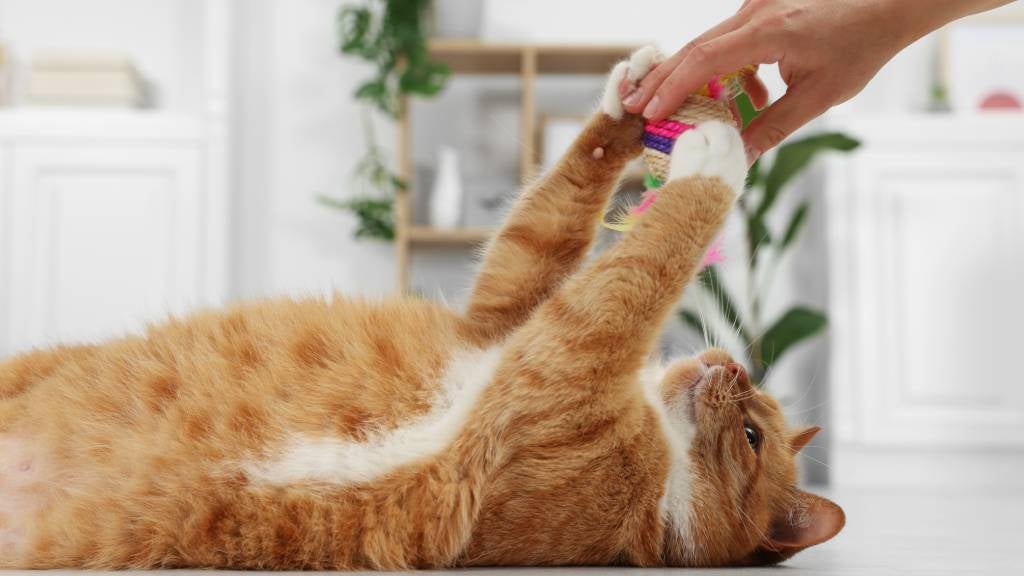
Reality: Cats learn quickly with positive reinforcement – think target touch, sit, come and carrier training.
What to do: Use tiny treats, short sessions and clear cues – finish while your cat is still keen. Training builds trust and confidence, and makes vet visits and travel easier.

Final thoughts
Cats are full of personality – and surprises. Ditch the myths, set up smart routines and lean into positive training. You’ll build confidence, reduce stress and help your cat live a happier, healthier life.
Keep your whiskered mate covered with Buddy
From curious climbs to zoomies at 2 in the morning, cats keep life interesting. Buddy Pet Insurance can help you rest easy knowing your meowtastic mate will be supported should an emergency vet visit pop up!
FAQsFrequently Asked Questions about cat myths
Curious cat questions pop up a lot – here are quick answers to the ones we hear most.
Do indoor-only cats still need enrichment?
All cats need enrichment, and indoor cats may need it more. You can try short play bursts, scratching posts, perches and puzzle feeders to keep minds and bodies busy.
Can I train my cat to use a carrier calmly?
You can train your cat by feeding them near the carrier, then in it, and reward progress as they let you carry them in it. Be sure to add comforting touches, like a familiar blanket, so it smells like home.
Is bathing necessary for cats?
Usually bathing is not – healthy cats self-groom. Long-haired or elderly cats may need occasional help with wipes or gentle brushing.
Are cats truly “low maintenance”?
Cats can be a lower fuss than some other pets, but they still need daily play, routine health care and a tidy litter setup. Every cat is different and some prefer more independent play, while others enjoy human company.
Will getting a second cat fix behaviour problems?
Getting another cat isn’t necessarily an answer to fixing behaviour problems. Address enrichment and training first – then decide if another cat suits your home and lifestyle.
20 Nov 2025