
Quick take
- Play is more than fun – it is a wellbeing signal and a brain workout
- Healthy play shows up when pets feel safe, well and unstressed
- Variety matters – mix social, object and movement play to keep it fresh
- Less play can be an early clue something is off and worth a vet check
- Short, positive sessions most days build confidence and calm
The science behind animal play behaviour
Play might look like a burst of zoomies or a tug-of-war game, but beneath the surface it’s a sign of emotional and physical wellbeing. Scientific models like the Five Domains of Animal Welfare show that play emerges when animals feel safe, healthy and mentally stimulated – making it a powerful welfare indicator.
In Australia, researchers at institutions like the University of Sydney’s Animal Behaviour Lab are exploring how play links to cognition, stress responses and social development. Their work helps us understand how play supports not just fun, but function.
What defines play in animals?
- It is voluntary and rewarding in the moment
- It looks different to the “serious” version of the same behaviour
- It repeats, but not like a rigid routine
- It is not directly about survival tasks like hunting or feeding
- It shows up in healthy animals that feel safe
Types of play: social, object and locomotor
- Social play – friendly wrestling, chase games and play bows that build communication and trust
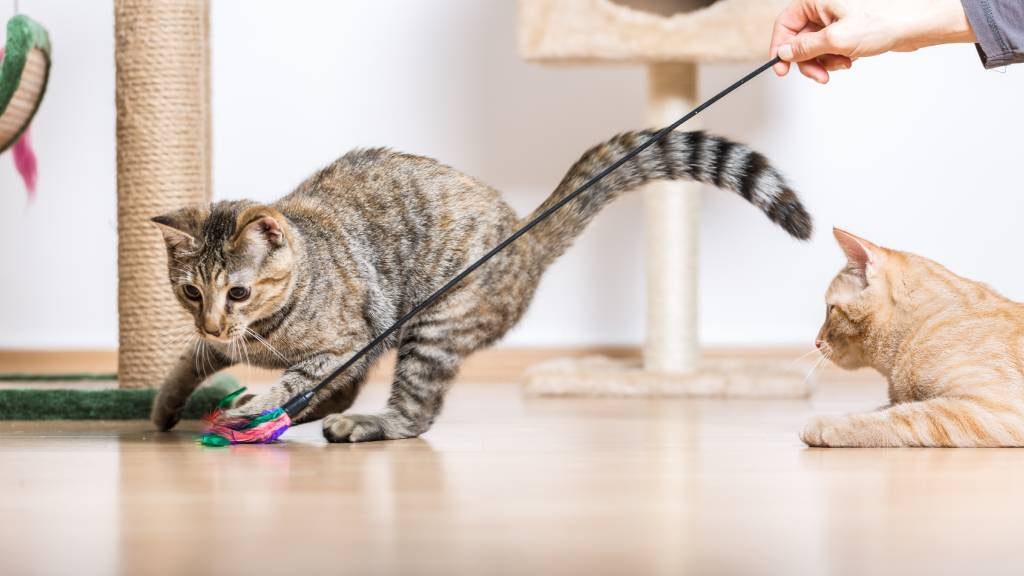
- Object play – batting toys, carrying sticks, puzzle games that build problem-solving
- Locomotor play – zoomies, leaps and spins that develop coordination and confidence
Each type of play supports different aspects of development and wellbeing. Mixing them helps keep your pet mentally and physically engaged.
Why play is more than just fun
Play helps wire the brain, support learning and improve emotional regulation. Young pets that play regularly tend to:
- Read social cues more effectively
- Bounce back from surprises faster
- Handle change with less stress
These benefits mirror findings in behavioural science, where play is linked to resilience, creativity and emotional growth. The Australian and New Zealand College of Veterinary Scientists highlights play as a key tool in behavioural therapy and emotional wellbeing for pets.
Play as a welfare indicator in veterinary practice
Because play fades when animals are unwell or stressed, a dip in playfulness can be an early flag. The flip side is helpful too – playful pets are more likely to be feeling safe and positive. In consults, notes about play can sit alongside appetite, toileting and sleep as everyday health clues.
This approach aligns with the Five Domains model of animal welfare, which is used by accredited Australian zoos and veterinary professionals to assess wellbeing. The model highlights behavioural interactions – including play – as key indicators of an animal’s mental state and overall welfare.
How play shapes long-term health and development
- Brain and body – play supports new neural connections and fine-tunes motor skills
- Resilience – playful problem-solving builds flexible coping in tricky moments
- Social skills – fair, back-and-forth play teaches turn-taking and self-control
These benefits aren’t just for puppies and kittens – adult and senior pets also gain from regular, age-appropriate play.
Recognising play deprivation and what it can look like
When play drops off, pets may show signs like:
- Attention-seeking at odd hours
- Excessive vocalising
- Rough or destructive behaviour
- Withdrawal from family interactions
If your usually playful pet stops joining in, check for stress, pain or changes in routine – and talk to your vet. Also, keep an eye out for any changes in body language as this may be an indication that all is not well.
Practical ways to promote healthy play
1. Set simple play goals
- Aim for a few short sessions most days
- Finish while your pet is still keen to keep motivation high
2. Mix the menu
- Rotate toys weekly to keep novelty alive
- Blend social games, puzzle feeders and free movement time
3. Tailor to age and ability
- Keep it gentle for seniors and growing joints
- Use soft, easy wins for shy pets and build up gradually
4. Shape great manners during play
- Reward calm starts, soft mouths and good “drop it” or “leave it” cues
- Take brief breaks if arousal gets too high
5. Make the environment work for you
- Create safe spaces to zoom, climb and explore
- Offer scratch posts, chew options and sniffy corners to suit species needs
Final thoughts
Play is a window into health. Keep sessions short, varied and positive, watch for changes, and lean on your vet if your pet’s play drops off. A little, often, is the sweet spot – and it pays off in calmer, more confident companions.
Bring on the play with a little backup from Buddy
All work and no play? Not on our watch. Whether it’s fetch, feather wands or puzzle games, play keeps your pet curious, confident and connected. Buddy Pet Insurance can help you stay focused on the fun stuff without fixating on accidents or injuries. So go ahead, chase the zoomies and enjoy the wiggles – Buddy’s got your back.
FAQsFrequently Asked Questions about animal play behaviour
Getting play right is easier when you know what to look for. Here are fuller answers to the questions pet parents ask most.
How much play does my pet actually need each day?
Most pets do well with a few short sessions – think 5 to 15 minutes, one to three times a day – rather than one long blast. If your pet walks away or seems tired, call it there and pick it up later.
What is the difference between healthy play and rough or risky play?
Healthy play has pauses, loose bodies and easy breaks. If a pet looks tense, cannot opt out or you see stiff postures, pinned ears or hard stares, step in, reset and lower the intensity.
My cat or dog never seems to play. Should I be worried?
Some animals are quieter by nature, but a sudden drop in play is worth attention. First, check pain, illness and stress. Then try easier games, new textures and calmer times of day. If play does not return, book a vet check.
Do puzzle toys and sniffy games really count as play?
Absolutely. Brain work can be just as tiring as a sprint. Food puzzles, snuffle mats and simple hide-and-seek keep minds busy and confidence growing.
How can I stop play from tipping into over-arousal?
Keep sessions short, mix in simple cues like “sit” or “on your mat”, and take micro-breaks. End on a win and give a calm chew or lick mat to help your pet settle afterwards.
20 Nov 2025